This Fall has been filled with many strong emotions, as we grapple with the mass violence and genocide taking place in Gaza currently. Whether you are feeling hurt, angry, confused, or numb – know that your feelings are valid.
On Monday October 23 we hosted a processing and healing space led by psychologist and meditation practitioner Sriya Battacharyya, PhD. We also held a follow-up collective grief processing space led by Sara Stanizai and Manpreet Kaur on November 6.
Sara, Afghan-American therapist, also shared her thoughts on processing major traumatic events below.
Please introduce yourself.
My name is Sara Stanizai, I’m a licensed marriage and family therapist and the owner of Prospect Therapy, a queer and trans affirming practice in southern California with a focus on immigrant and diaspora mental health. I’m Afghan-American, I was raised Muslim, and am openly bisexual. There are a LOT of people like me, and I keep talking about it so that we can find each other. Myself and the therapists at my practice bring clinical training and lived experience to our work, meaning we share identities and experiences with many of the communities we serve.

Please feel free to share any thoughts or anything you’d like us to consider while processing the violence in Gaza.
People talk a lot about trauma, especially in mental health circles, or even in sensationalized media content. And to be sure, there is an overwhelming amount of trauma we are witnessing and experiencing.
But there isn’t as much talk about grief. Grief is a very typical and universal response to loss – any type of loss.
That might mean literally grieving and mourning loved ones. Let’s not forget the people in our communities who are directly affected by genocide, displacement, and the natural and manmade disasters taking place right now.
But the effects of grief also extend out from these events, to people who aren’t directly affected.
As we witness what is unfolding, we are still pressured to go on about our daily lives. And yes, of course life goes on. But it doesn’t have to be “business as usual,” ignorant of how these events are affecting us.
We might be grieving the loss of relationships, disillusionment, loss of belief in certain systems and people; disenfranchised grief (when the loss is not acknowledged or publicly allowed), or even grieving the lack of public support for your own community. It’s not pretty, but many people are privately wondering, where was the outrage for us?
There’s no shame in any iteration of grief you might be experiencing.
Center and support the people who are most closely and directly affected by loss. AND acknowledge that witnessing loss can also stir grief responses for you too. It’s not co-opting someone else’s experience, as long as you pour the support toward them first.
Are there any resources that folks can look up in case they missed the session?
Disenfranchised Grief: Recognizing Hidden Sorrow by Kenneth Doka
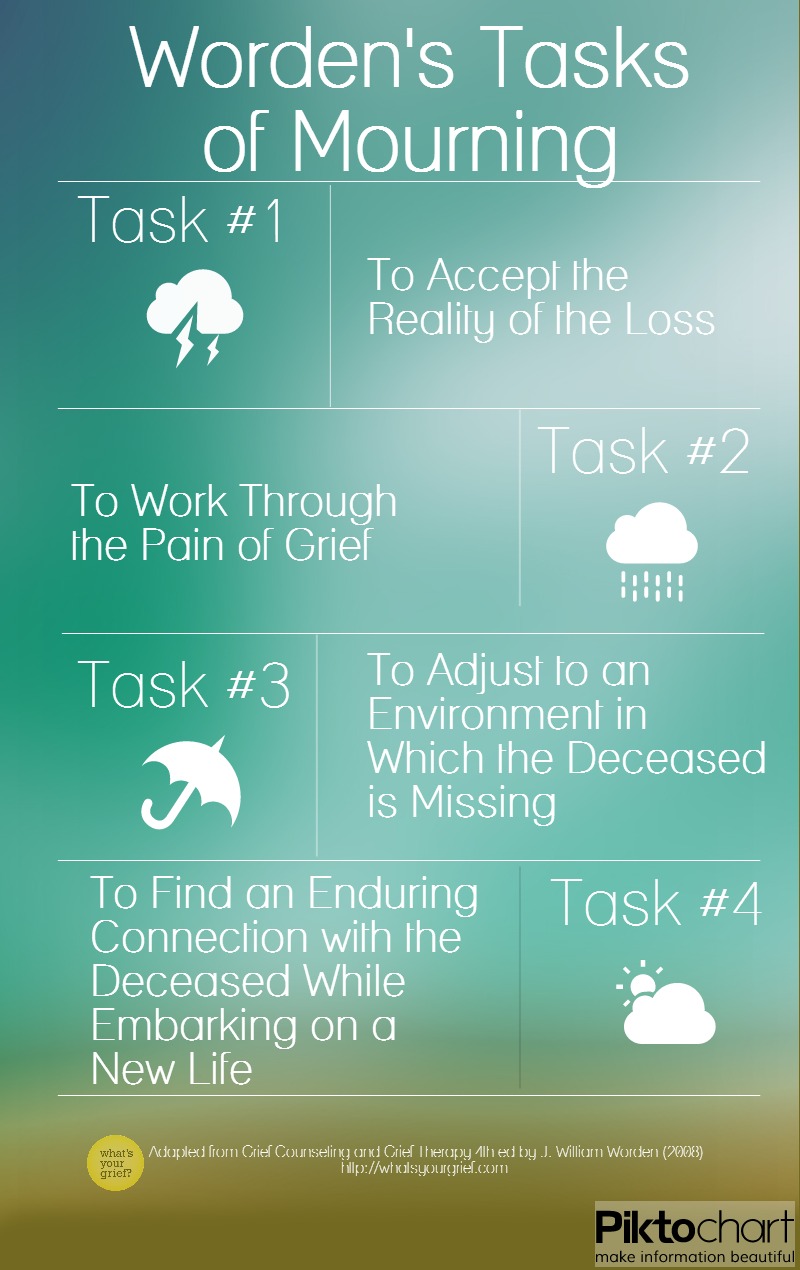
The Four Tasks of Mourning by William Worden
SWANA Therapist Collective
Please feel free to share any thoughts or anything you’d like us to consider while processing the violence in Gaza.
People talk a lot about trauma, especially in mental health circles, or even in sensationalized media content. And to be sure, there is an overwhelming amount of trauma we are witnessing and experiencing.
But there isn’t as much talk about grief. Grief is a very typical and universal response to loss – any type of loss.
That might mean literally grieving and mourning loved ones. Let’s not forget the people in our communities who are directly affected by genocide, displacement, and the natural and manmade disasters taking place right now.
But the effects of grief also extend out from these events, to people who aren’t directly affected.
As we witness what is unfolding, we are still pressured to go on about our daily lives. And yes, of course life goes on. But it doesn’t have to be “business as usual,” ignorant of how these events are affecting us.
We might be grieving the loss of relationships, disillusionment, loss of belief in certain systems and people; disenfranchised grief (when the loss is not acknowledged or publicly allowed), or even grieving the lack of public support for your own community. It’s not pretty, but many people are privately wondering, where was the outrage for us?
There’s no shame in any iteration of grief you might be experiencing.
Center and support the people who are most closely and directly affected by loss. AND acknowledge that witnessing loss can also stir grief responses for you too. It’s not co-opting someone else’s experience, as long as you pour the support toward them first.

Below are resources we compiled to aid your collective grief journey.
DONATE:
GET INVOLVED:
- Asians For Ceasefire by 18MR
- US Campaign for Palestinian Rights
- Call your members of Congress to demand a ceasefire and de-escalation of violence
- Text “ceasefire” to 51905 for easy scripts and links to contact congress
LEARN:
- Let’s Talk Palestine Podcast: https://open.spotify.com/show/7jPGgYybr0lrmIHcpQlj93?si=28c4efd44d40462d
- https://www.jewishvoiceforpeace.org/
For hub of mental health resources and events; https://www.instagram.com/palmhnwellness/
Mental Health Supports During Gaza Crisis by NAAPIMHA: https://docs.google.com/document/d/1NT8IxSoYOrB6gyU_87tXTs18prVpfUSX35zfl1bCvdQ/edit
